

Location, Location, Location
25th Nov 2026
A Volunteer Led Project to Install 40 New Homes for Wildlife on the NYMR
If you’ve taken a journey on the North Yorkshire Moors Railway (NYMR), you already know how breath-taking the view is. But our 18-mile ribbon of heritage railway isn't just a corridor for steam locomotives, it’s a wildlife hub.
This year, our Lineside Conservation Volunteers have been working hard during the dormant season to launch a major new biodiversity project: building, funding, and installing 40 custom-made wildlife boxes along the tracks.

The Ultimate Mosaic: Our Unique Habitats
The NYMR passes through a spectacular patchwork of landscapes, each offering a unique ecosystem. Our lineside acts as a crucial ‘wildlife corridor’, connecting habitats east to west, north to south and everything in-between. Our habitats include:
Moorland: Open, heather-clad spaces exposed to the elements.
Commercial forests & natural woodland: providing deep canopy layers, decaying wood, and dense cover.
Bog & grassland: Insect-rich feeding grounds with rare plants and fungi.
Farmland: rough field margins brimming with small mammals.
Because we border so many different environments, a massive variety of species call the lineside home. However, many of these species are facing severe national and regional population declines. The cause of the decline includes habitat loss and fragmentation which in turn includes a loss of natural nesting sites like old, hollow trees.

Location, Location, Location: The Lineside Survey
You can't just put up a bird box anywhere and hope for the best. Correct placement is critical to a box's success, and getting it wrong can unfortunately do more harm than good. If a box is placed in direct, blistering sunlight, the chicks inside can quickly overheat; conversely, if it faces into the prevailing wind and rain, the nest can become damp, cold, and fatal for vulnerable hatchlings.
Height and concealment are equally vital. Nest boxes placed too low or in clear view leave nesting parents and their young completely exposed to predators like cats, magpies, and weasels.


Additionally, birds are highly territorial; placing boxes of the same species too close together will trigger stressful territorial battles rather than successful nesting. To ensure this project's success, our team meticulously surveyed the lineside to pair the exact behavioural needs and safety requirements of each species with the perfect geographic location. By installing the boxes during the quiet non breeding months, we are giving our local wildlife plenty of time to discover and investigate their new homes before the spring breeding season kicks into gear.
Because many of our optimal sites sit on boundary lines, we have been working closely with local farmers and landowners adjacent to the railway. This collaborative effort ensures boxes are securely placed, safely managed, and positioned where birds have the best access to foraging fields.
Keeping the Lineside Alive: A Legacy of Conservation
The project is about much more than just putting up wooden boxes and forgetting about them. It is an important connection in regional landscape-scale conservation.
As modern development, urban expansion, and intensive farming fragment the British countryside, railways like the NYMR serve an increasingly critical role. Our 18-mile track acts as a continuous, protected green corridor. Actively managing habitats, our volunteers are creating a haven where species can safely migrate, forage, and interbreed, which keeps the regional gene pool healthy and resilient.
Providing these 40 nesting sites directly addresses one of the greatest threats to British biodiversity: habitat loss. Many of these birds rely heavily on old-growth trees with natural hollows. In managed landscapes, these dead or decaying trees are often removed, leaving cavity-nesting species with nowhere to rear their young. These bespoke boxes act as a crucial safety net, replicating those natural cavities and directly boosting breeding success rates for species experiencing worrying regional declines.
Furthermore, a healthy bird and bat population creates a natural balancing act for the local ecosystem. By supporting apex avian predators like Owls and Kestrels, we help manage small mammal populations naturally. Meanwhile, insectivores like Nuthatches, Tits, and bats act as highly effective, organic pest controllers for the surrounding woodland and adjacent farmland.


A massive thank you to our incredible Lineside Conservation volunteers who built, painted, funded, and climbed trees to get these boxes into position. Your efforts are a testament to what community-driven conservation can achieve, directly helping to reverse regional wildlife declines and keeping the North York Moors beautiful, vibrant, and biodiverse for generations to come.
Keep an eye out on your next train journey, you might just spot one of our new wildlife properties along the tracks!
Meet the Residents: The 8 Box Types
Our volunteers funded and built 8 distinct types of boxes tailored to the precise structural and environmental needs of different species:
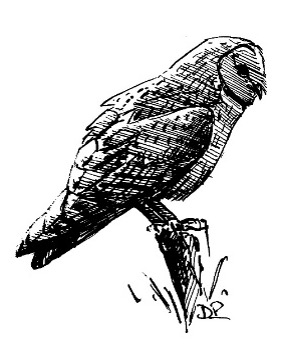
Barn Owl, Tyto alba
A distinctive heart-shaped, snow-white face and golden-buff back.
- The Box Design: A large, deep wooden triangular or rectangular box with a wide entry hole and an external exercising platform for fledglings.
- The Siting: Fixed high up (over 3m) in quiet, open areas facing away from prevailing winds.
- What They Look For: They hunt by sound in moorland and farmland margins. They need a clear flight path into the box and a massive supply of field voles.
- Conservation Status: Thanks to conservation efforts, Barn Owls are now on the UK Green List. They remain vulnerable to severe winters and fluctuating prey densities.
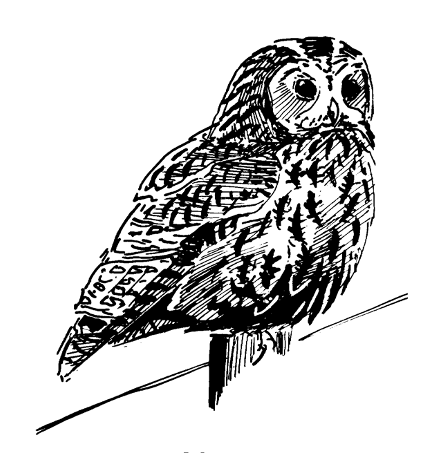
Tawny Owl, Strix aluco
Stocky, mottled brown with large dark eyes; the classic "tu-whit tu-whoo".
- The Box Design: An elongated, vertical chimney-style tube or deep upright box.
- The Siting: Attached to a mature tree trunk within the canopy of natural woodland.
- What They Look For: Woodland specialists that require dense tree cover to camouflage themselves during the day.
- Conservation Status: Amber-listed on the List of Birds of Conservation Concern, likely due to habitat loss and prey availability.
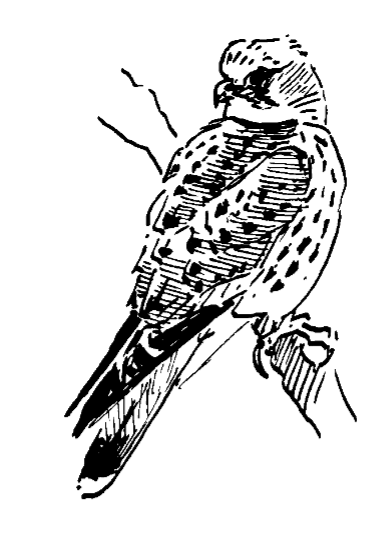
Kestrel, Falco tinnunculus
A small, elegant falcon with a habit of hovering perfectly still in mid-air.
- The Box Design: A large, open-fronted box providing an unobstructed view of the surrounding landscape.
- The Siting: Mounted on isolated trees or high poles overlooking open grassland or moorland.
- What They Look For: High vantage points to spot movement below.
- Conservation Status: Amber-listed after populations declined significantly across the UK.
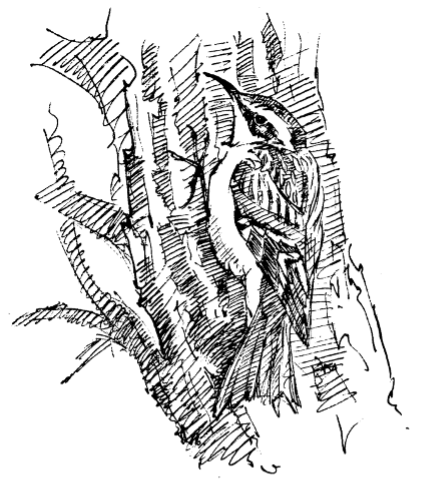
Treecreeper, Certhia familiaris
A speckled brown bird with a curved beak and toes adapted perfectly to hopping spirally up tree trunks.
- The Box Design: A unique wedge-shaped box that is open at both the top and bottom back edges, sitting flush against tree bark.
- The Siting: Strapped to the trunk of mature, rough-barked trees in natural woodland.
- What They Look For: They look for narrow crevices that mimic loose bark where they can hide away from predators.
- Conservation Status: Green-listed, but populations fluctuate and they rely heavily on well-connected, high-quality woodland corridors.
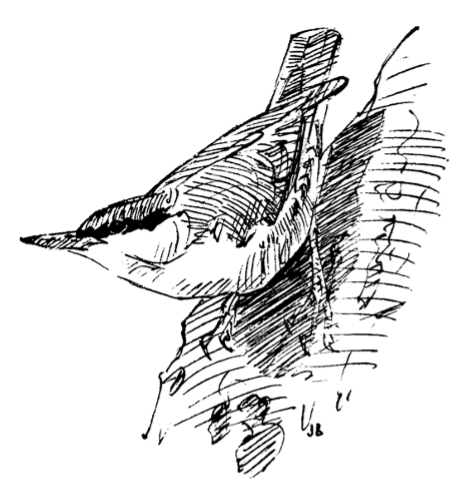
Nuthatch, Sitta europaea
A striking blue-grey back, chestnut flanks, and a sharp black stripe through the eye, famous for moving headfirst down trees.
- The Box Design: A traditional wooden box but with a specific 32mm entrance on the side.
- The Siting: Placed 3 to 4 metres high on a tree in native woodland.
- What They Look For: Nuthatches notoriously use mud to plaster up the entrance hole of a box until it fits them exactly (preventing larger birds or predators from getting in).
- Conservation Status: Green-listed and currently expanding their range northward. The NYMR woodlands are ideal.
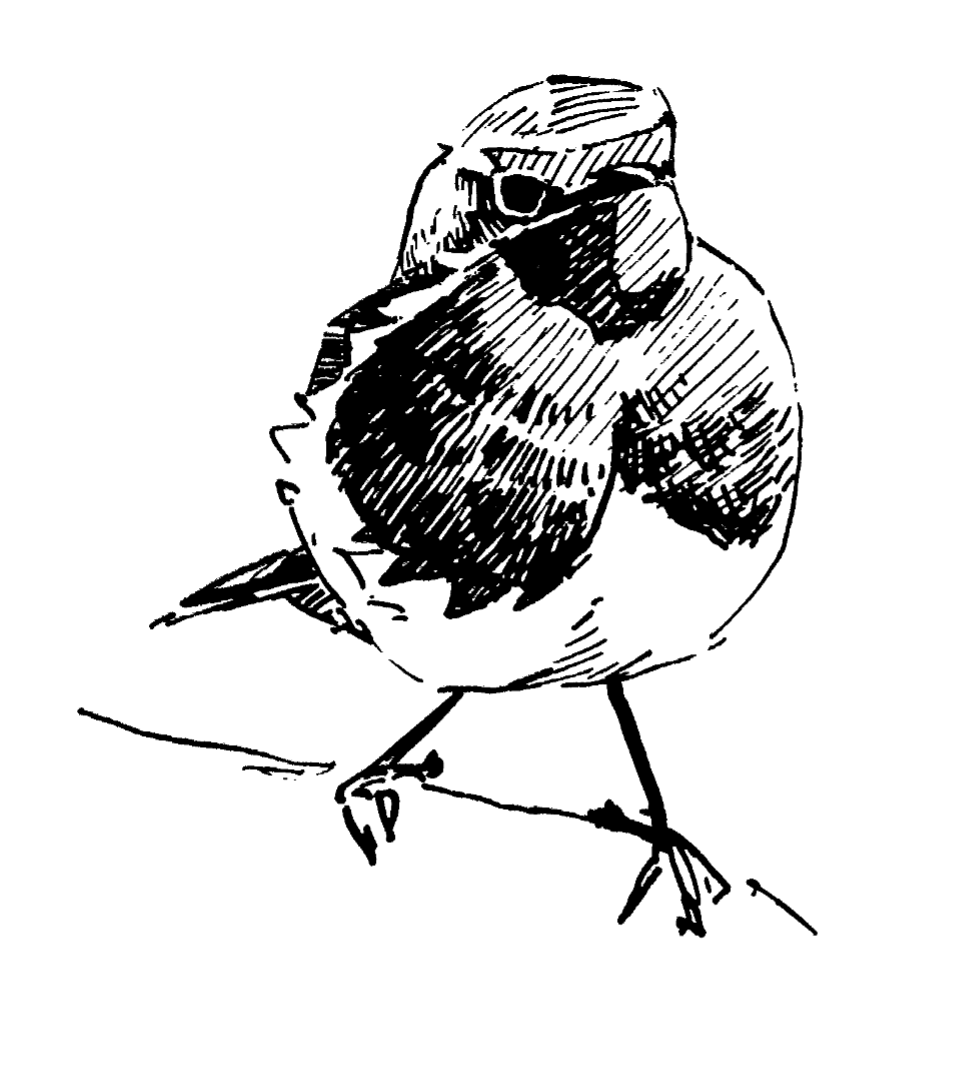
Robin, Erithacus rubecula
The UK's favourite red-breasted, bold little singer.
- The Box Design: A low, open-fronted box.
- The Siting: Tucked away, low down (under 2m) in dense vegetation, ivy, or hedgerows along grassland boundaries.
- What They Look For: Total concealment from overhead predators, while keeping an eye out for insects turned up by lineside clearance.
- Conservation Status: Green-listed, but highly reliant on healthy hedgerows and scrub management.
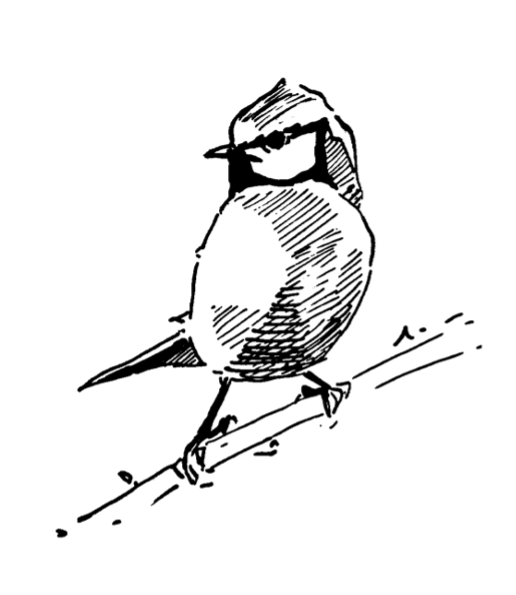
Small Birds
Smaller birds like blue tits and coal tits: bright, energetic acrobats around the stations.
- The Box Design: Classic small nest boxes with 25mm to 28mm holes to prevent bigger birds from evicting them.
- The Siting: Scattered across woodland edges and stations, facing north-east to avoid hot afternoon sun and wet westerly winds.
- What They Look For: Safe, dry cavities near a high density of caterpillars and insects to feed their massive spring clutches.
- Conservation Status: Generally stable, though changing climates mean they risk hatching before peak insect numbers emerge.
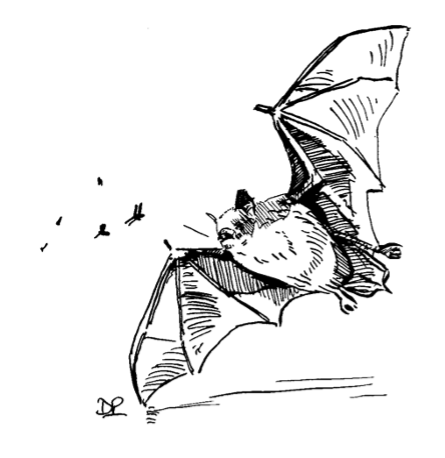
Bat Boxes
Small, nocturnal, flying mammals. Common species are the Pipistrelle and Daubenton's (pictured), which can eat thousands of midges a night.
- The Box Design: A specialised, draught-free box with a narrow entry slit at the bottom and a grooved internal "ladder" for them to hang from.
- The Siting: High up on sunny tree trunks or structures close to water.
- What They Look For: Warmth! They need sun-warmed spaces for their roosts during summer, ideally close to insect-heavy habitats.
- Conservation Status: All UK bat species are protected. Populations are highly vulnerable to habitat loss, making these artificial roosts incredibly important.
Thanks to Mark Jarvis, Richard Neal, David Hutchinson, Arnie Hicklin, George Haynes, Eileen Strain & Jens Strain the Lineside Volunteers as well as the landowners Andrew Hollins and Paul and Liz Giddon. Thanks also to Dan Powell for permission to use his bird sketch images.